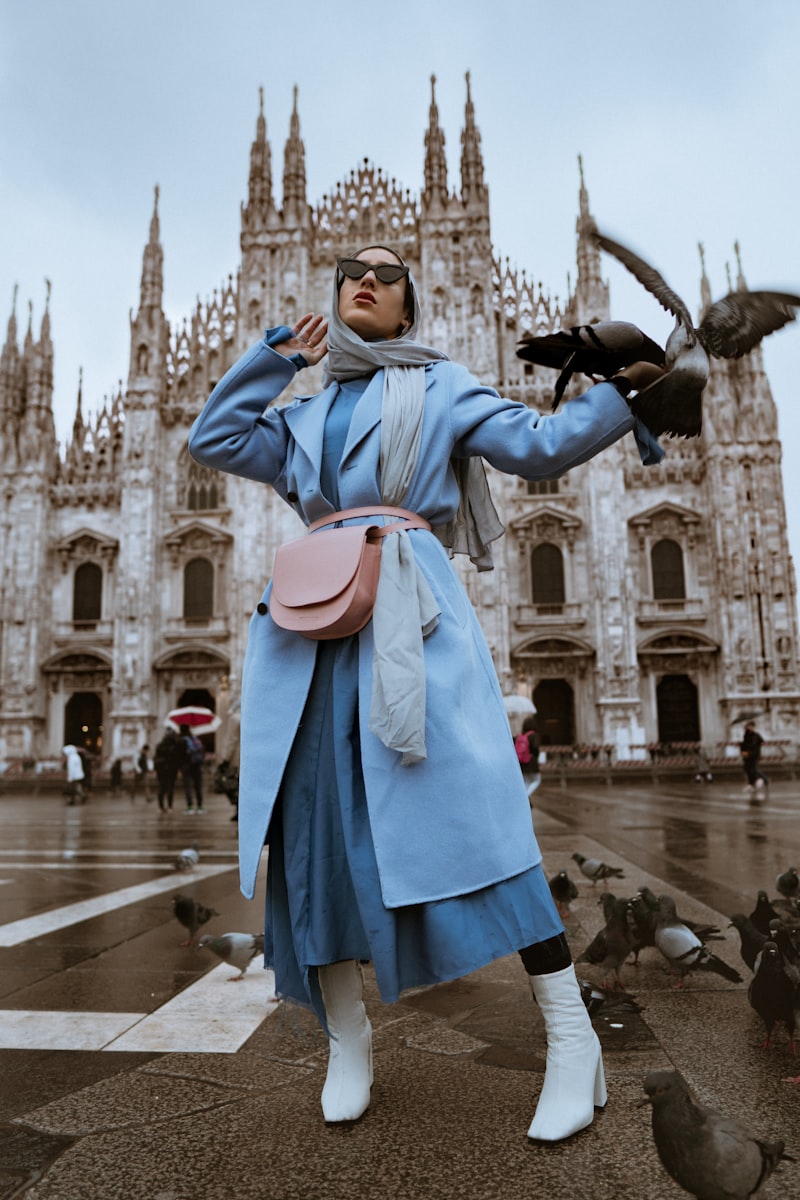
An impeccably tailored blazer is the ultimate power garment in modern dressing. Whether styled over slip dresses or relaxed denim, the right jacket instantly sharpens any silhouette.
When choosing an oversized blazer, ensure the shoulder seam aligns naturally without drooping too far down the arm. Padded shoulders provide structural architecture, while unlined wool hopsack offers relaxed drape.
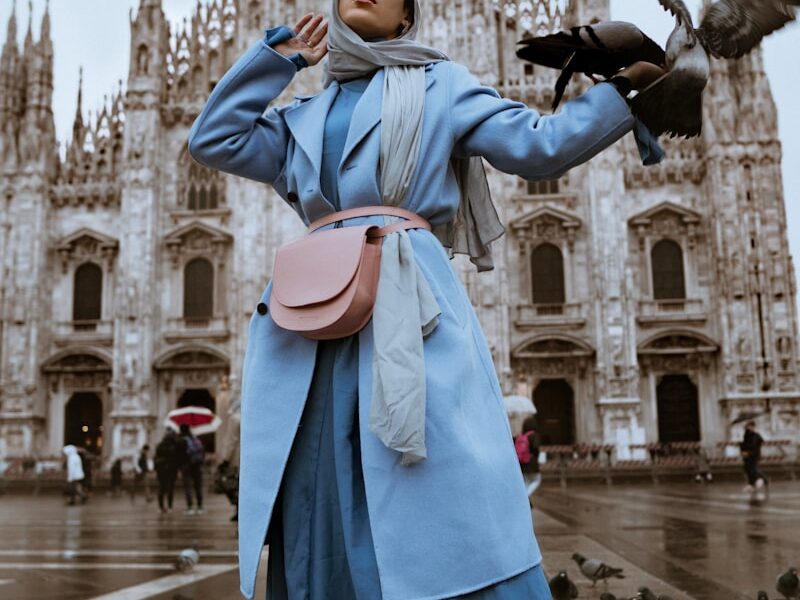

Cropped tailored jackets pair impeccably with high-waisted trousers and fluid bias-cut skirts, accentuating the waistline and lengthening leg proportions.
Pay attention to fabric weight: 280g tropical wools transition effortlessly across spring and autumn, while heavy tweed and double-faced cashmere provide winter warmth.
Experiment with horn button closures, pick-stitch lapels, and functional kissing cuffs to celebrate bespoke tailoring details in your daily wardrobe.
Shoulder padding serves as the structural anchor of a blazer. Internal horsehair canvas construction allows the chest to roll naturally over time, molding custom shape to the wearer.
Lapel width influences visual proportions dramatically. Peak lapels draw the eye upward and outward, emphasizing broad shoulders, whereas notch lapels maintain quiet daily versatility.
Pairing structured suiting jackets with casual elements—such as vintage band tees or washed 100% cotton denim—creates a compelling juxtaposition between high sartorial rigor and laid-back ease.
Lining materials directly affect breathability and interior comfort. Pure cupro or Bemberg rayon linings slide smoothly over silk blouses without generating static or trapping body heat.
When altering blazer sleeve lengths, always measure from the shoulder seam down to the wrist bone, allowing half an inch of shirt cuff to extend beyond the jacket sleeve.
Proper storage preserves shoulder architecture: hang blazers on wide contoured cedar hangers inside breathable cotton garment bags away from direct sunlight.