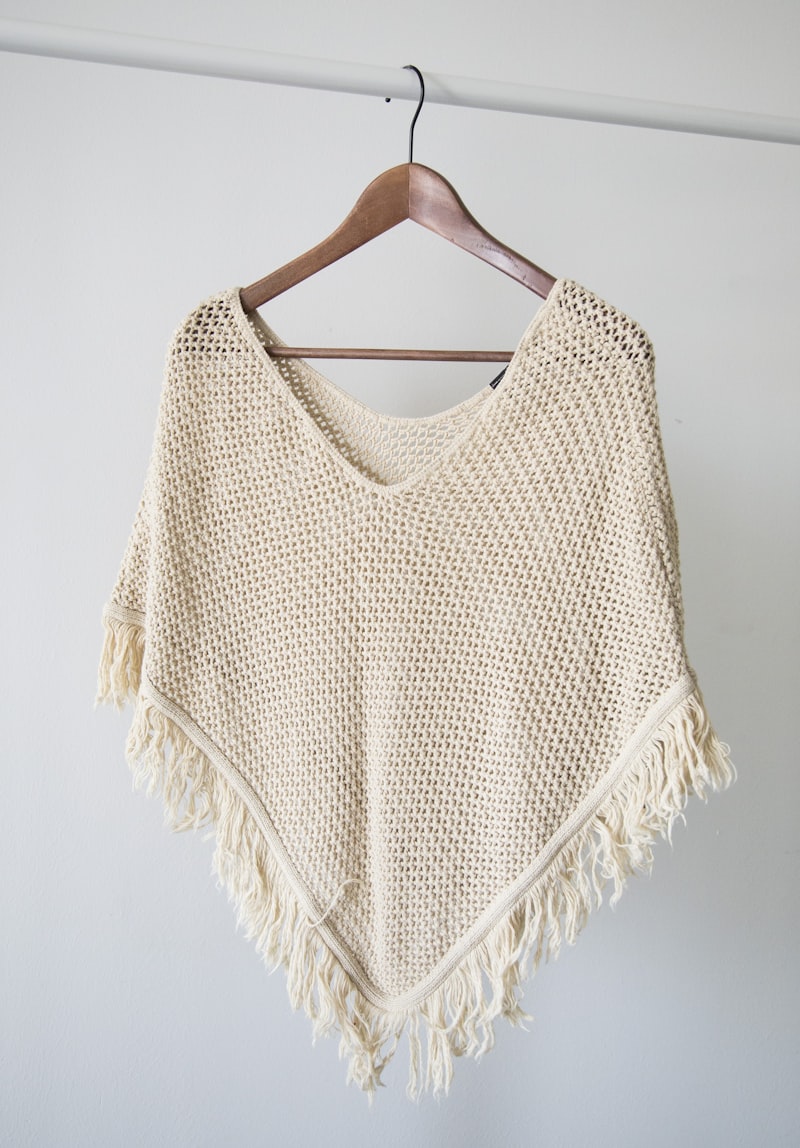
Transitioning into cooler weather demands a thoughtful layering system that delivers insulation without unwanted bulk. Combining silk, cashmere, and superfine merino creates a harmonious tactile experience.
Begin with a fitted tissue-weight silk-rib turtleneck as a skin-soothing base layer. Layer a V-neck 2-ply cashmere sweater over top, allowing the turtleneck collar to peek out gently.
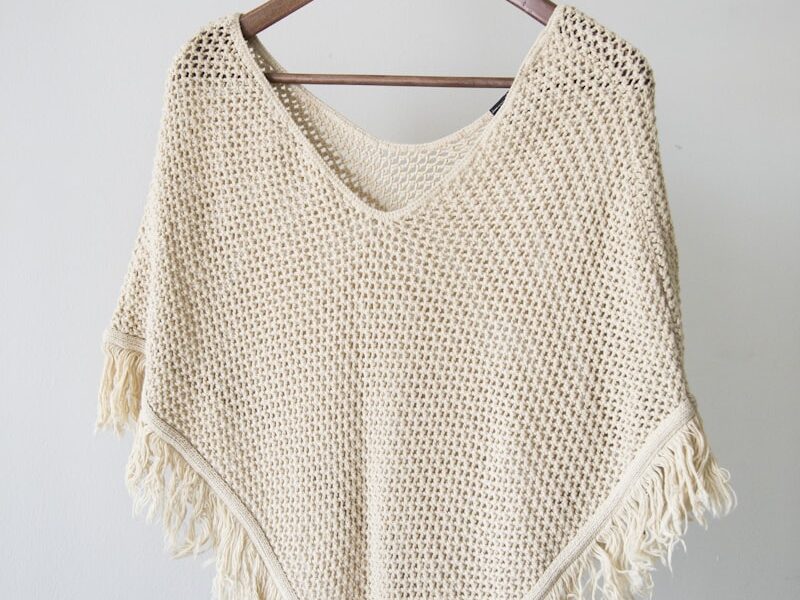

For outerwear versatility, drape an unbuttoned chunky alpaca cardigan or textured bouclé jacket over the shoulders for effortless golden-hour sophistication.
Care for fine luxury knits by washing in cold water with specialized cashmere shampoo, pressing dry gently between plush towels, and storing folded flat in breathable linen storage boxes.
Grade-A Mongolian cashmere fiber measures under 15.5 microns in thickness and over 34 millimeters in staple length, producing garments that feel cloud-soft without pilling easily.
Silk-cashmere blend knits combine the natural thermal regulation of cashmere with the subtle lustrous sheen and tensile strength of pure mulberry silk.
Color coordination across autumn layers benefits from tonal depth. Pair an oatmeal silk base layer with a honey-gold cashmere crewneck and a deep chocolate alpaca duster.
De-pilling luxury knits requires gentle tools: use a natural cedar sweater comb pulled softly down the grain of the knit rather than electric razors that can sever delicate fibers.
Selecting ribbed knit trims along hems and cuffs prevents stretch distortion, retaining snug shape through seasons of frequent wear.
Moth prevention for organic animal fibers relies on natural cedar blocks, dried lavender sachets, and airtight canvas storage bins during off-season months.
Investing in ethical cashmere farms that practice rotational grazing protects delicate grassland ecosystems across the Mongolian steppe.