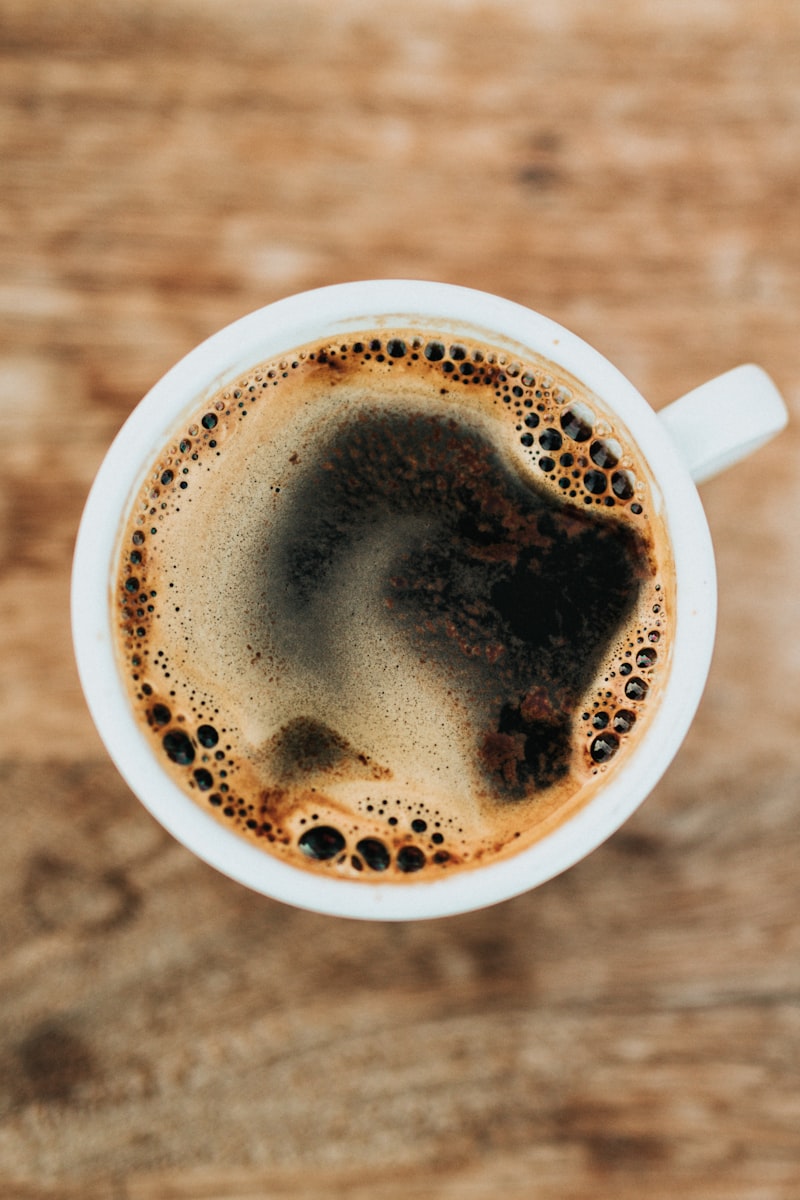
Brewing pour-over coffee using a Chemex or ceramic dripper forces us to slow down and observe steam, aroma, and bloom. Measuring whole beans, grinding freshly, and pouring hot water in measured concentric circles transforms a mundane routine into a grounding morning art form.
Pair your morning coffee ritual with quiet reflection or light reading before digital demands claim your focus.

Select single-origin roasted beans with bright floral or subtle chocolate undertones. Grinding freshly with a manual ceramic burr grinder preserves essential aromatic oils that elevated the tasting experience.
Understanding roast profiles reveals distinct flavor landscapes: light Nordic roasts preserve delicate floral bergamot notes, while medium honey-processed roasts highlight caramel sweetness.
Water temperature is critical: target 92°C to 94°C (198°F-201°F). Pouring in delicate spiraling motions ensures uniform extraction, producing a clean, fragrant cup without harsh bitterness.
The initial "bloom" phase—wetting coffee grounds with twice their weight in hot water for 45 seconds—allows trapped carbon dioxide gas to escape, unlocking complex flavor layers.
Water chemistry plays a quiet yet vital role in specialty extraction. Using filtered spring water with balanced mineral hardness unlocks vibrant acidity and floral top notes that hard municipal tap water suppresses.
Experimenting with brew ratios (typically 1:16 coffee-to-water) allows you to customize body and brightness according to personal palate preferences.
Pairing slow pour-over coffee with fresh sourdough bread, cultured sea-salted butter, and poached orchard fruit turns breakfast into a slow culinary celebration.
Appreciating the craftsmanship of handmade ceramic mugs adds tactile pleasure to every sip as you watch early sunlight enter the room.
Savoring your coffee slowly from a heavy handmade ceramic cup grounds your sensory awareness in the present moment.